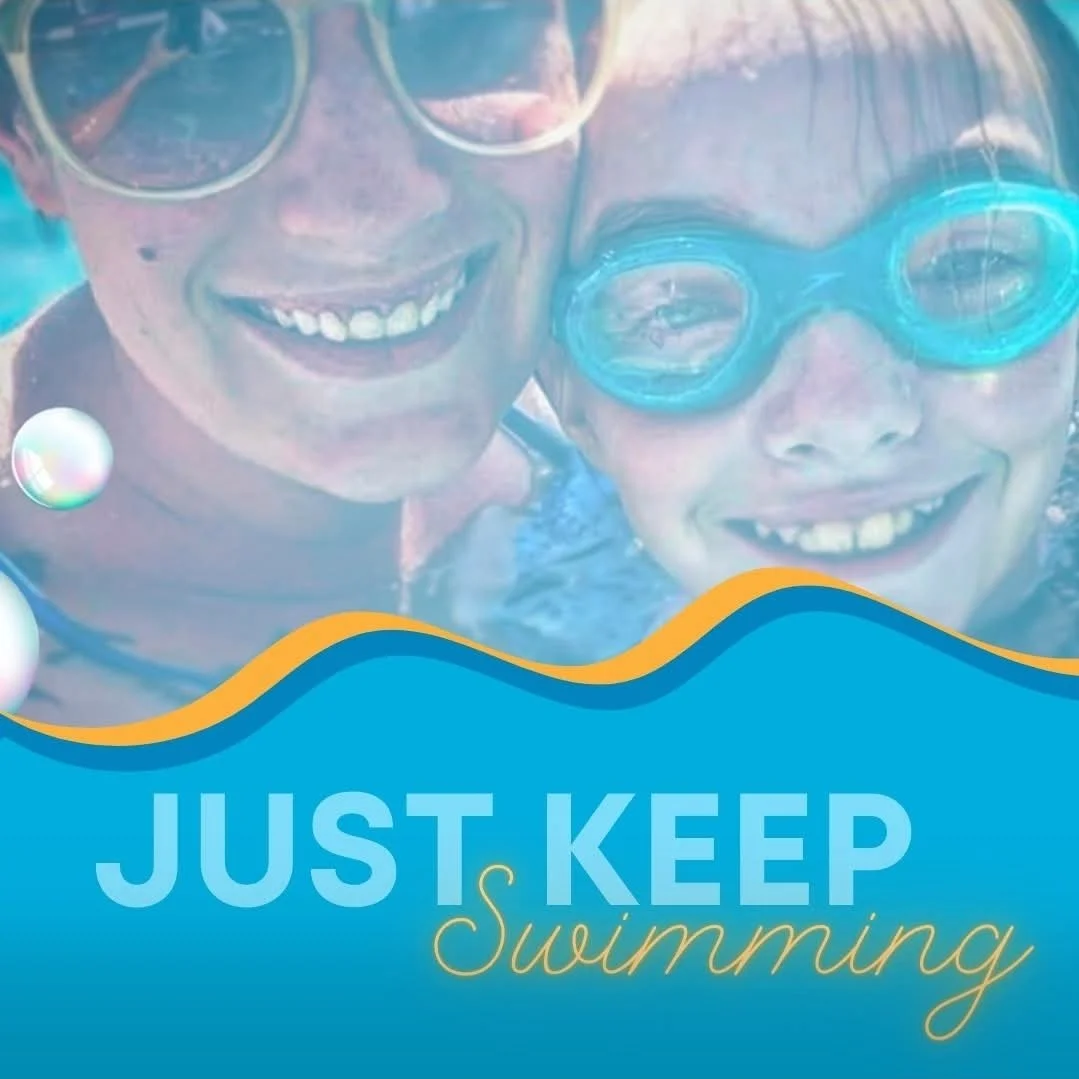
THE SWIMMINGLY APPROACH
What To Expect During Swimmingly Lessons

Welcome
Choosing swim lessons for your child is an important decision. Every child learns differently, and my goal is to create a calm, supportive environment where swimmers build confidence, safety skills, and strong swimming foundations at their own pace.
Lessons are designed to meet each swimmer where they are — whether they are brand new to the water or ready to refine strokes and endurance.Swimmingly builds confident, independent swimmers — from early water comfort through stroke refinement, swim team preparation, and adult skill development.
Every lesson is individualized and guided by one consistent philosophy: confidence first, skill second..
Lesson lengths typically range from 30–60 minutes depending on age, stamina, and goals. We determine the best starting point during our initial conversation and adjust as swimmers grow.
My Teaching Style
Swimmingly lessons focus on confidence, safety, and real skill development.
Instead of rushing swimmers through skills, I focus on helping swimmers truly understand the water and build lasting ability.
You can expect lessons that are:
✔ Encouraging and patient
✔ Individualized for each swimmer
✔ Focused on both safety and technique
✔ Structured but flexible based on the child's comfort level
Many families appreciate that lessons feel supportive, calm, and encouraging rather than high-pressure.
Common Ages I Work With
• Toddlers
• Preschool swimmers
• School-age beginners
• Stroke development swimmers
How Lessons Work
Each lesson is tailored to the swimmer’s age, comfort level, and experience.
During lessons we typically work on:
• Water comfort and breath control
• Floating and body positioning
• Independent movement in the water
• Stroke development and coordination
• Water safety awareness
Lessons may include games, skill drills, and structured progression depending on the swimmer’s stage.
Children often learn best through small achievable steps that build confidence over time.
Individualized Learning
No two swimmers are the same — and no two swimmers progress in exactly the same way.
Some swimmers may move quickly through skills, while others need more time to build comfort and confidence.
Both are completely normal parts of the learning process.
Because lessons are private or small group, I can adjust each lesson to meet the swimmer’s needs rather than forcing everyone through the same structure.
This allows flexibility with each child and with each lesson.
✨ Your 3-Step Progression
What Progress May Look Like for Fearful or Sensitive Swimmers
Every swimmer progresses at their own pace. For swimmers who feel unsure or overwhelmed in the water, early lessons often focus on building comfort before advancing skills. Progress is based on comfort, consistency, and readiness- not pressure
Positive Learning Environment
A positive learning environment is extremely important for children learning to swim.
Lessons focus on:
• Encouragement rather than pressure
• Calm progression of skills
• Celebrating small successes
• Helping swimmers feel safe and confident in the water
Many parents notice their children begin to look forward to swim lessons rather than feeling nervous about them. While every child progresses differently, the long-term goal is to help swimmers develop the confidence, awareness, and skills that support safe and independent movement in the water over time.
If Your Child Is Nervous
It is completely normal for some children to feel unsure during their first swim lesson. Even many confident swimmers began their first lesson feeling unsure — patience and encouragement help confidence grow.
Many swimmers need a little time to become comfortable with a new instructor and a new environment. Lessons are designed to move at the swimmer’s pace, allowing confidence to build gradually.
Some children jump right in, while others may take a few lessons to feel fully comfortable. Both are perfectly normal parts of the learning process.
The goal is always to help swimmers feel safe, supported, and proud of their progress in the water.
Many confident swimmers start their first lesson feeling unsure.
Tears can happen, but confidence almost always follows.
Step 1: Comfort & Trust
Swimmers begin by getting comfortable in and around the water. This may include sitting on steps, supported movement, and becoming familiar with the environment. The goal is to build trust and reduce anxiety.
Step 2: Confidence & Participation
As comfort grows, swimmers begin participating more actively. Skills are introduced gradually with support, repetition, and encouragement. Swimmers start to gain independence while still feeling safe.
Step 3: Skill Development & Independence
Once confidence is established, swimmers are able to focus on skill-building. Floating, movement, and stroke development are introduced or refined as swimmers become more independent in the water.
👩👧Understanding Your Swimmer
Before the first lesson, we schedule a brief phone call to set your swimmer up in the right place and at the right pace. After a quick introduction, I will sum up my teaching philosophy to make sure this is the right program for you and your swimmer. Then we dive into the details!
During this call, we:
Discuss current comfort and skill level
Identify goals (water safety, stroke refinement, swim team prep, overcoming fear, etc.)
Review past experiences
Determine the most appropriate lesson length and frequency
This allows me to design a personalized lesson plan from day one — and gives you the opportunity to ask questions to feel confident moving forward. From there, we begin building lessons with a structure promoting steady progress.
🏊First Lesson Experience
The first lesson is designed to help swimmers feel comfortable while allowing me to observe their current abilities in the water.
During this lesson we typically:
Introduce the swimmer to the lesson environment
Observe the swimmer’s comfort level and movement in the water
Begin foundational skills appropriate to their level
Identify areas of confidence and areas needing support
Begin building trust between swimmer and instructor
For younger swimmers or those that are nervous, the first lesson may move a little slower as they get comfortable and confidence develops.
After many years of teaching swimmers of different ages and abilities, the first lesson is always approached with patience, observation, and flexibility.
How Swimmingly Lessons Are Different
Swimmingly focuses on building long-term swimming ability through confidence and skill development.
Different swim programs take different approaches to teaching children. Every swim program has value, but Swimmingly lessons focus on building confident swimmers through a supportive, individualized approach.
These lessons are not:
ISR-style survival swim programs
Large group classes with many swimmers per instructor
Rigid instruction where every child must progress at the same pace
Fast, high-pressure lesson environments
Swimmingly lessons emphasize:
Individualized instruction based on each swimmer’s comfort level and abilities
Confidence-building through play, encouragement, and positive reinforcement
Skill development that grows naturally as swimmers become comfortable in the water
A calm learning environment where swimmers can progress at their own pace
The goal is not just short-term skill acquisition, but helping children become confident, capable swimmers who feel comfortable and safe in the water.
This approach reflects years of experience teaching swimmers of different ages, personalities, and comfort levels in the water.

Helping swimmers build confidence in the water for over 20 years.
Swimming is more than a skill — it’s confidence, safety, and a lifetime of freedom in the water.
Ready to Begin?
⭐ ⭐ ⭐ ⭐ ⭐
“After just a few lessons my daughter was already swimming. A few months later she was swimming like a fish and I finally had peace of mind.”
— Maria V.
GETTING STARTED
A simple process designed to place each swimmer at the right starting point.
Celebrating Progress
Learning to swim takes courage, and celebrating progress helps swimmers build confidence in the water. To help keep lessons fun and motivating, swimmers can earn small rewards for trying new skills, practicing consistently, and reaching personal milestones.
Many swimmers enjoy choosing a prize from the treasure chest of pool toys and surprises after demonstrating bravery or achieving a new skill. Small celebrations help reinforce confidence and create positive momentum as swimmers build their abilities in the water.
Every swimmer progresses differently, and every step forward is worth celebrating.
Confidence grows one lesson at a time.